

A seven-year-old's first orthodontic visit usually ends one of three ways: nothing needs doing yet, come back in a year, or something is worth starting now. The Canadian Association of Orthodontists recommends the visit no later than age 7, because the first permanent teeth are coming in, some problems can already be spotted, and many are easier to correct before jaw growth slows.
Cochrane reviews of children's trials show where the research stands. Early treatment lowers the chance of an injury to a front tooth when the upper teeth stick out. For the bite itself, treating early and treating in the early teens ended in about the same place. For underbites, early treatment works at first, but the benefit shrank over six years in the one long-term trial. Early treatment is worth it for a few problems and optional for most.
What happens at an age-7 check
By seven, most children have their first permanent molars and some permanent front teeth in, which gives an orthodontist something to measure. We look at how the upper and lower teeth meet, whether the jaws line up front to back and side to side, whether there is room for the teeth still to come, and whether a habit such as thumb sucking is shaping the bite. A visit can include photos and sometimes an X-ray to see teeth that have not yet come through. It does not commit a family to anything.
Our office is built for kids, with popsicles, hot chocolate, a Nintendo Switch and Touch 2 Play, which makes a first visit easier for a nervous seven-year-old. The child orthodontics page covers how we approach younger patients.
Early treatment for upper teeth that stick out
When the upper front teeth sit well forward of the lower ones, they are more likely to be injured, as the background section of the Cochrane review notes. That review pooled 27 trials with 1,251 children and compared early treatment, started between ages 7 and 11 and followed by a second round in the teens, with a single round in adolescence. When both groups had finished, final overjet and jaw relationship matched. The difference was injuries. In three trials of early treatment with a functional appliance, 19 per cent of children had a new injury to the front teeth, against 30 per cent of those who waited. Two headgear trials showed the same pattern, with 24 of 117 children injured against 44 of 120.
New injury to the front teeth during treatment
Treated early
19%, 31 of 161 children
Treated in the teens
30%, 51 of 171 children
Three trials of early treatment with a functional appliance versus later treatment, from the 2018 Cochrane review of prominent upper front teeth (332 children, moderate-quality evidence).
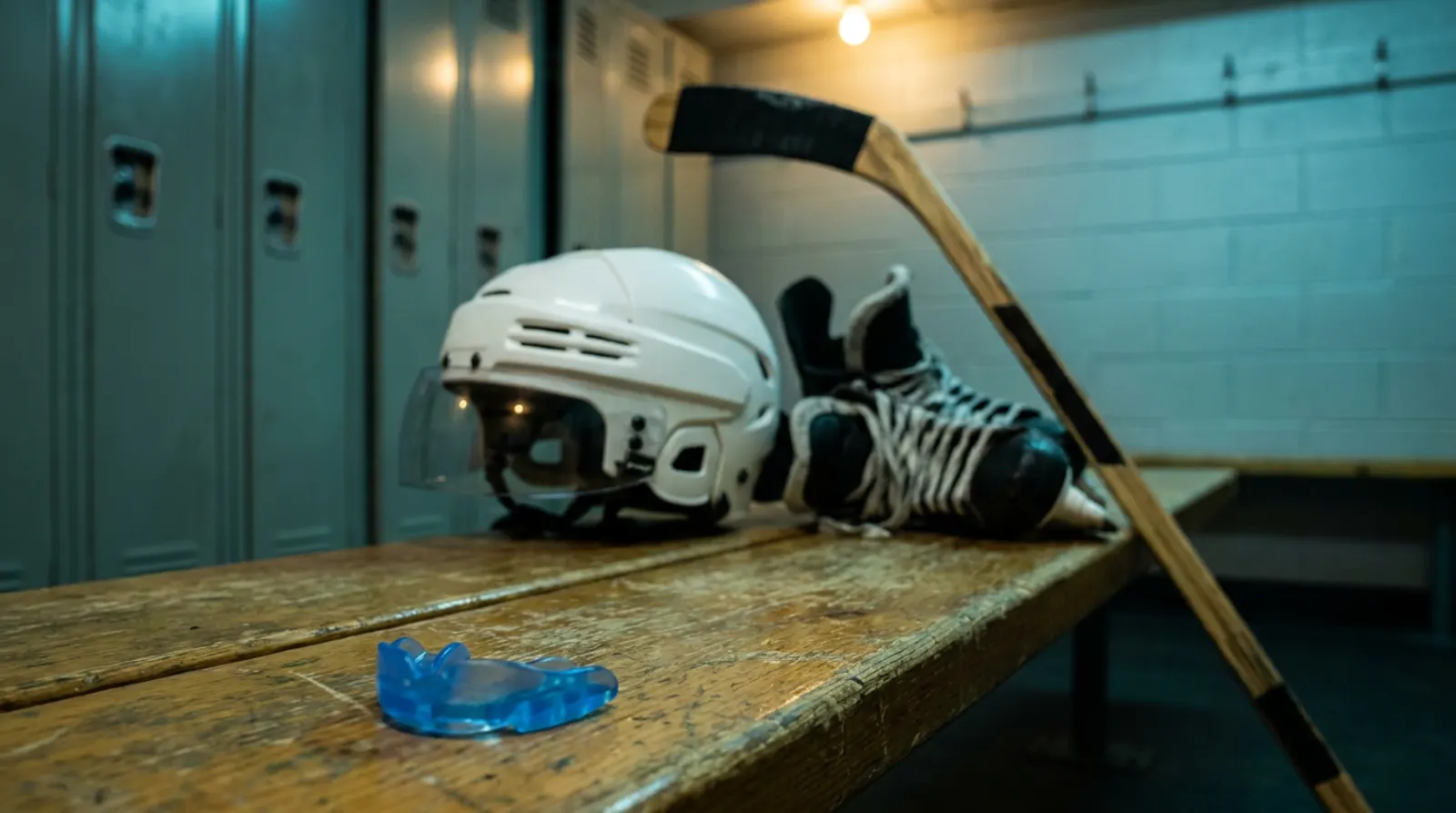
For a child who plays hockey, ringette or another contact sport, that difference is practical. A mouthguard still matters, and our article on hockey mouthguards with braces covers how to choose one.
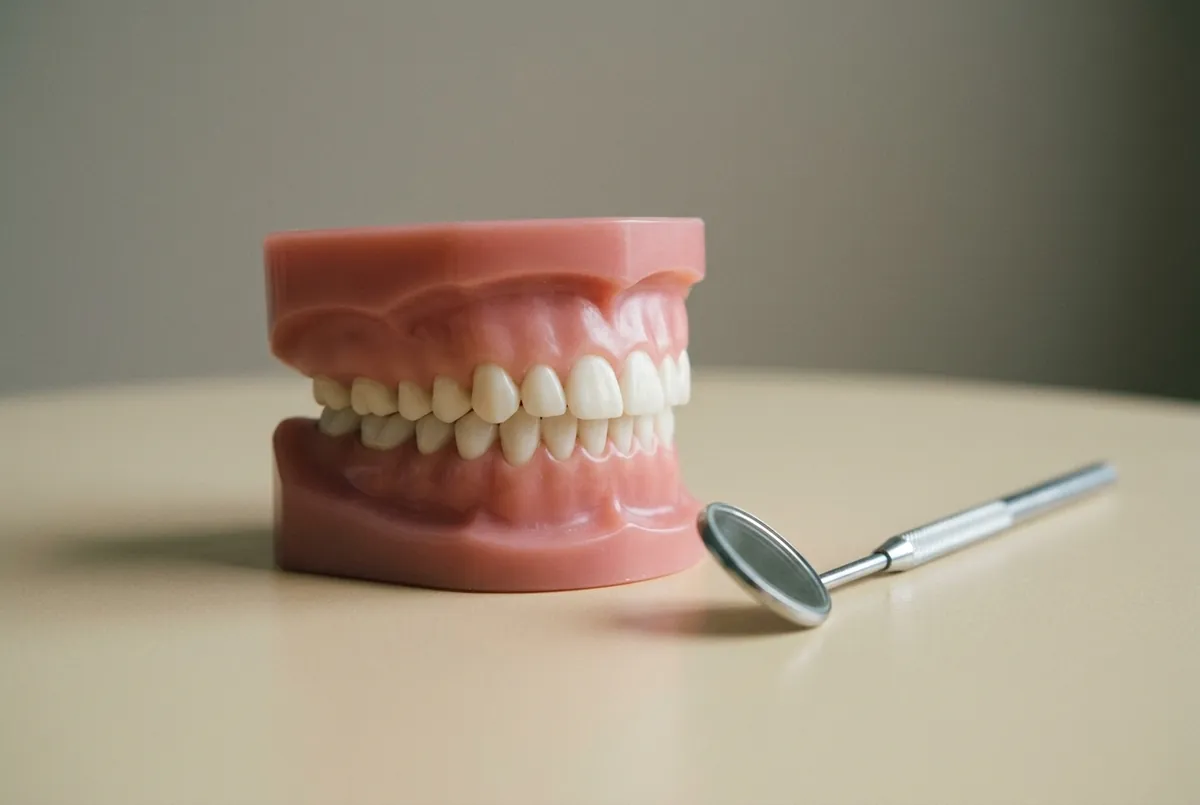
For this kind of bite, early treatment also tends to mean a longer course overall. A 2008 systematic review found that the earlier treatment began, the longer it lasted, which families should weigh when they are comparing the effort and cost of two rounds.
Underbites
An underbite, where the lower front teeth sit ahead of the upper ones, is the other problem where starting young has research behind it. The 2024 Cochrane update covered 29 trials with 1,169 children aged 5 to 13. Non-surgical treatment, most often a facemask worn with an expander, improved overjet by about 5 millimetres compared with no treatment, measured right after treatment, and the reviewers rated that moderate certainty.
Only one trial followed children for years. In it, the improvement was 2.5 millimetres at three years and 1.3 millimetres at six years, a difference that could no longer be told apart from zero. Even so, clinicians judged that jaw surgery was more likely to be needed later for children who had not had the facemask, with an odds ratio of 3.3 and low certainty.
Overjet improvement after early underbite treatment
Right after treatment
5.0 mm, pooled, 4 trials, 184 children
Three years later
2.5 mm, one facemask trial, 63 children
Six years later
1.3 mm, same trial, 65 children, not statistically distinguishable from zero
Mean difference against untreated children, from the 2024 Cochrane review. The first figure pools four trials and the later two come from a single trial, so they are not a straight comparison.
Read plainly, early underbite treatment works in the short term, the improvement faded as the children grew, and some will need more treatment later. The reason to start early is the chance of keeping jaw surgery off the table, which the review supports with low-certainty evidence.
Crossbite, crowding and habits
A crossbite, where some upper teeth sit inside the lower ones, can force the jaw to slide sideways to close. Orthodontists often widen the upper jaw early to take that slide away. The trials behind the practice mostly compare one expander with another. A 2022 review of nine studies found that a quad-helix widened the arch and finished about 3.4 months sooner than expansion plates, with more relapse that did not reach statistical significance, and rated the evidence weak to moderate. That does not settle whether early beats later, so the call comes from the child's growth and the size of the slide.
Crowding on its own is a common reason for a seven-year-old's visit. It is usually reviewed again in a year or two as more permanent teeth arrive, because the picture changes. A thumb or pacifier habit that carries on past the arrival of the first permanent teeth may need attention, and the first step is often encouragement and a conversation before any appliance.
| Problem | What the research says | What often happens |
|---|---|---|
| Upper front teeth stick out | Early treatment cut front-tooth injuries from 30 to 19 per cent, with similar final results | Treated early when injury risk is high or the child is bothered, otherwise one round in the early teens is reasonable |
| Underbite | Early treatment works at first and fades by six years, and may lower the later need for jaw surgery | Often started early, with the family told it may not be the last step |
| Crossbite with a jaw shift | Trials mostly compare one expander with another, not early against later | Often corrected early |
| Crowding without other problems | Not covered by the reviews above | Usually watched until more permanent teeth come in |
What to bring and what to ask
Parents often notice things before a dentist does: baby teeth lost very early or very late, front teeth that stick out or do not meet, a bite that shifts to one side when the child closes, a jaw that clicks, or a thumb or pacifier habit. The Canadian Association of Orthodontists notes that most bite problems are inherited, so a sibling's or parent's history is useful too. None of these means treatment is needed, and all of them are worth mentioning.
Good questions for any orthodontic visit are short ones. What do you see today? Does anything need to be done now? What will you be watching for? What would make you start earlier? If we wait, what changes?
The short answer
See an orthodontist by age 7 and treat the visit as information gathering. Early treatment has good support for upper teeth that stick out and carry an injury risk, reasonable support for underbites with realistic expectations, and no strong evidence for starting most other problems before the permanent teeth are in. If you are deciding for your own child, book a complimentary consult or read about our teen orthodontics to see what comes later. Our guide on orthodontist vs dentist explains who to ask first.